
Undercover surveys of pharmacies highlight sale of vulture-toxic drugs across much of South Asia
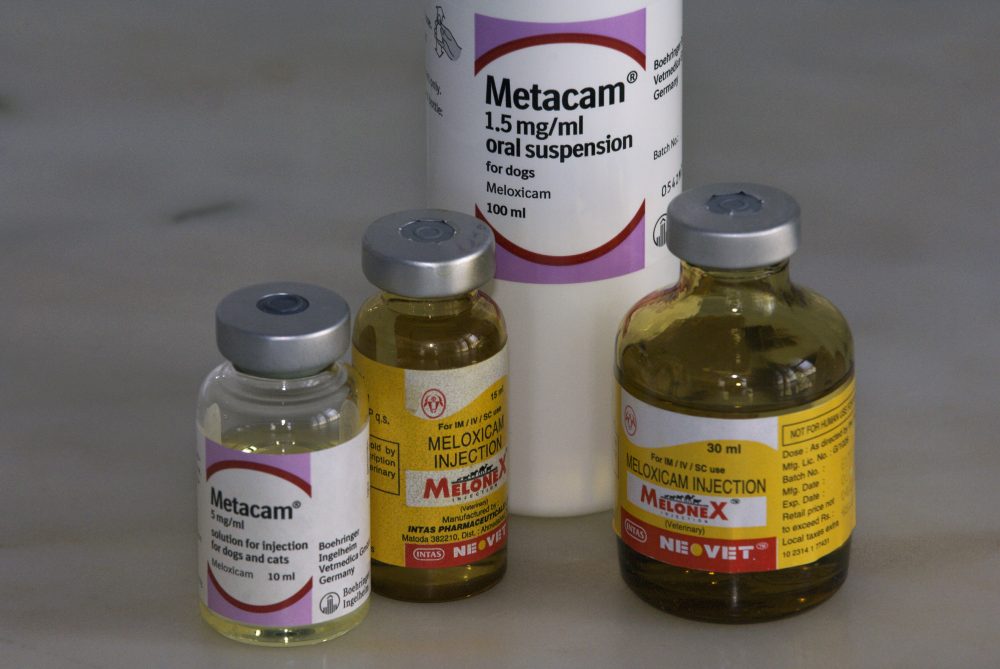
Meloxicam, safe alternative treatment to Diclofenac.
Undercover surveys of pharmacies across India, Nepal, Bangladesh and Pakistan, carried out by local conservation teams, including many SAVE partners supported by the RSPB, have shown that despite nationwide bans, toxic veterinary drugs responsible for catastrophic vulture declines were still available for purchase in some regions. Additionally, other drugs known, or suspected to be, toxic to vultures are available, posing a potential long-term risk to vulture populations’ recovery.
The results also demonstrated, however, that those areas which took steps to facilitate the transition to vulture-safe drugs, such as replacing stocks of the now banned drugs with a vulture-safe alternative for free, as happened in Nepal and Bangladesh, and educating pharmacists into the threat to vultures of diclofenac, showed almost complete removal of the banned drug diclofenac.
Vultures provide an irreplaceable waste disposal service, removing animal carcasses and thereby preventing the spread of disease. In their absence, feral dog populations have increased in some areas, leading to more cases of rabies, a significant threat to human health. Three vulture species endemic to South and South-east Asia – White-rumped, Slender-billed and Indian Vultures – were driven to near-extinction because of unintentional poisoning by the veterinary non-steroidal anti-inflammatory drug (NSAID), diclofenac. Vultures ingested the drug when consuming the carcasses of livestock that had been treated with diclofenac shortly before death. This resulted in kidney failure and ultimately death in millions of vultures. As a result, the veterinary use of diclofenac was banned across South Asia (India, Pakistan, and Nepal in 2006, Bangladesh in 2010).
To determine the availability of diclofenac and other NSAIDs across South Asia, members of local conservation bodies conducted undercover surveys in pharmacies across India, Bangladesh, Nepal and Pakistan. Staff purchased whichever drug was offered by the pharmacist with surveys running for over 10 years. The results revealed that not only was diclofenac still available in many regions, but it was still being illegally manufactured in veterinary-sized doses in some countries.
In total, undercover surveyors were sold 14 different NSAIDs, several of which have known or suspected vulture toxicity. Additionally, diclofenac is still available for human usage and is frequently illegally supplied for veterinary use. Several other vulture-toxic NSAIDs, such as flunixin, are still also legally available, potentially hindering species recovery.
However, availability of meloxicam, a drug safe for vultures also increased in many regions and by the end of the survey period, diclofenac was almost absent in Nepal and Bangladesh. Tolfenamic acid, another vulture-safe drug, also increased in Bangladesh. In areas where conservation advocacy had educated pharmacists and veterinarians about the impact of NSAIDs on vulture populations, and in some areas freely provided the vulture-safe meloxicam, diclofenac availability was low or completely absent. This effective advocacy and monitoring is key to the establishment of Vulture Safe Zones (VSZ). In Nepal the creation of a VSZ has enabled both White-rumped and Slender-billed Vulture numbers to start increasing.
However, in many areas, different NSAIDs have replaced diclofenac as the drug of choice to treat sick and injured cattle, several of which are known or suspected to be toxic to vultures. It is therefore essential that new veterinary drugs, used within the ranges of these birds, are safety tested before being licenced for veterinary use and pharmacies are fully supported in the removal of toxic drugs from the market.
John Mallord, RSPB Senior Conservation Scientist, lead author of the paper said: “This study clearly demonstrates that targeted conservation action is effective at reducing the veterinary drug threat and helping vulture populations recover. Governments in vulture-range countries, including India, can show the way by implementing the Convention for Migratory Species (CMS) Resolution, which calls for the safety-testing of all NSAIDs currently on the market, and not licensing new drugs until they have been proven safe to vultures. Without this obligation being fulfilled we risk jeopardising the progress made over the past 20 years in preventing the extinction of vultures in Asia, and to ensure the continued recovery of these amazing birds which are so vital to wildlife and humans.”
Ankit B. Joshi, Vulture Project Manager at Bird Conservation Nepal and co-author of the paper commented that: “With support from the Nepali government, we have managed to remove vulture-toxic NSAIDs from the market. Moreover, our annual surveys have shown that vulture populations are responding, rapidly increasing from a historic low point.”
Sachin Ranade, Bombay Natural History Society in India, co-author of the paper said: “Our study highlights the importance of the work we do to ensure the safety of VSZs, especially the advocacy and education targeting local stakeholders such as pharmacists, encouraging them to stop supplying vulture-toxic drugs and to switch to safe alternatives.”
Alam Sarowar, IUCN Bangladesh, co-author of the paper said: “Government support for the VSZ concept is essential in getting vulture-toxic drugs banned. Bangladesh was the first country to ban the toxic drug ketoprofen, initially within the government-sanctioned VSZs and in 2021, across the whole country. One important lesson from the pharmacy surveys in Bangladesh, was that even though the government did such a great job of removing one toxic drug (in this case ketoprofen) from the system, another un-tested drug has taken its place – i.e., flunixin – so vultures are still at risk.”
The full paper can be found here
Mallord, J.W. et al. (2025) ‘The continued threat of toxic NSAIDs to Critically Endangered Gyps vultures in South Asia’, Bird Conservation International, 35, p. e38. doi:10.1017/S0959270925100270.