
Uncategorised
SAVE Online Open Day 29 September 2026
SAVE partners are pleased to announce the SAVE Online Open Day 2026 on 29th September 2026. When: Sep 29, 2026 07:30 AM London Topic: SAVE Open Day 2026 Register here! – Zoom Join us to hear about the fantastic vulture conservation work of SAVE partners in South and South East Asia. Full programme below: We…
Read MoreImportant SAVE Vulture Safe Zone criteria publication
A recent publication in the journal ‘Vulture News’ has clearly set out the criteria for the establishment of a Vulture Safe Zone (VSZ) in the South Asia context. The paper, authored by five of the SAVE partners describes two different routes that areas can be verified to certify their safety for vultures; either 1) through sufficient…
Read MoreVulture Safe Feeding Site Summary and Protocol Published
Providing supplementary food has been a feature of vulture conservation for several decades, while the establishment of so-called Vulture Restaurants has provided opportunities for sharing the experience of vultures feeding en masse at animal carcasses to many people. However, there are potential downsides to such sites, including attracting non-target scavengers and predators and increasing the risk of…
Read MoreMisleading Vulture Article
A recent article published in the Economist ‘How do you replace 40 million dead vultures?’ by Sudipto Sanyal brought important attention to the vulture story across Asia, but in doing so, it also made some unfortunate omissions. Chris Bowden of the RSPB, who was quoted in the article, has requested to use this space to…
Read MoreNepal Formalises Vulture-toxic NSAIDs Restrictions
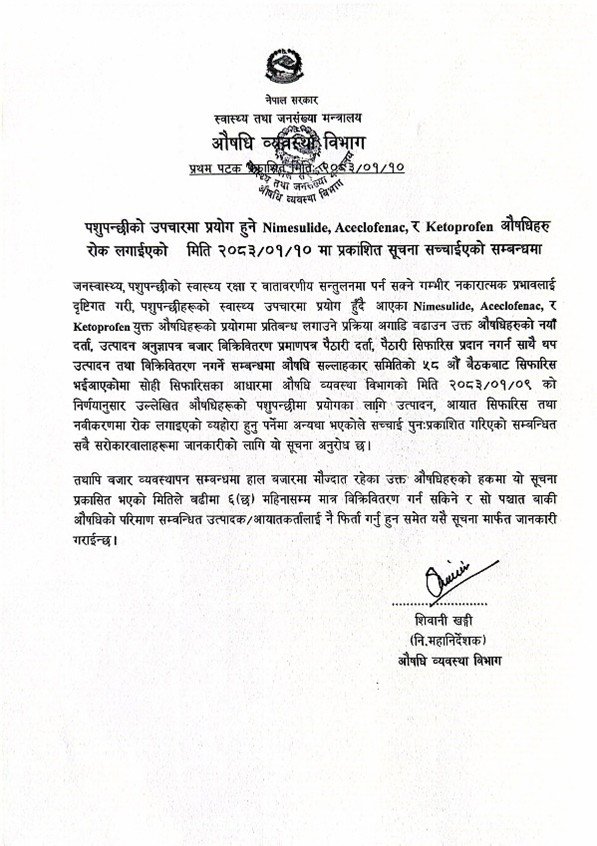
Nepal’s Department of Drug Administration (DDA) issued a formal prohibition notice of three vulture-toxic drugs: nimesulide, aceclofenac and ketoprofen on 23rd April 2026. Although the removal of these drugs from veterinary use, along with the earlier restrictions of diclofenac, has been top priority for the Vulture Safe Zone work across the country for over a…
Read MoreNew SAVE Factsheet for Engaging Vets and Farmers
SAVE is pleased to post a new infographic factsheet highlighting the wider value vultures play in the ecosystem and for environmental and human health. It was developed by Malyasri Bhattacharya and Percy Avari with further inputs/comments from SAVE experts. It highlights the important role that vets and veterinary practitioners play through safe practice, giving key information sources…
Read MoreTamil Nadu Forest Department moves to formalise Vulture Safe Zone planning
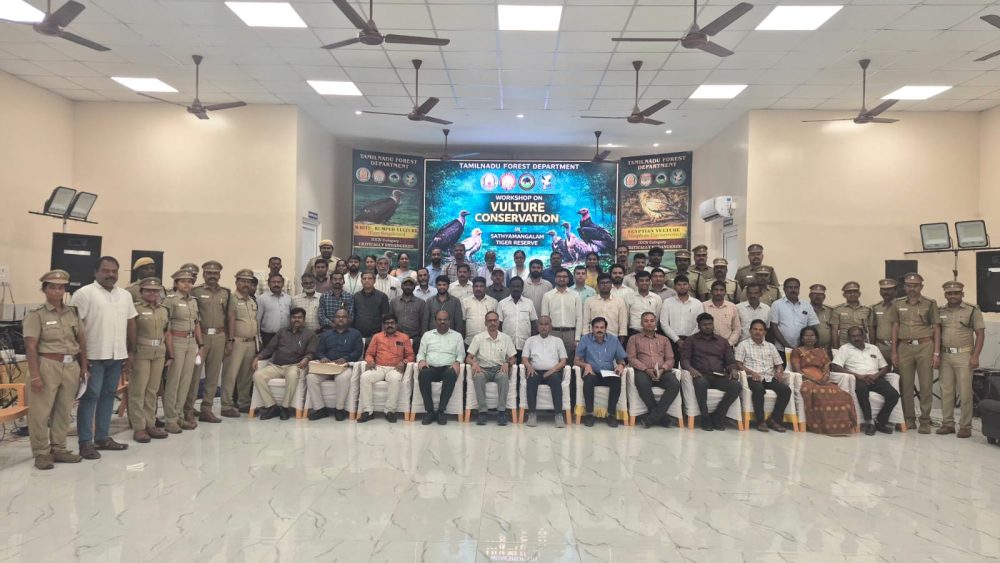
A collaborative workshop was convened by the Sathyamangalam Tiger Reserve Forest Division on February 27, 2026, under the guidance of the Advanced Institute for Wildlife Conservation (AIWC) of Tamil Nadu. This landmark event signified India’s transition from the Vulture Safe Zones (VSZ) concept toward a formalised, state-backed conservation framework, bringing together a diverse coalition of…
Read MorePilot Vulture Release in Assam
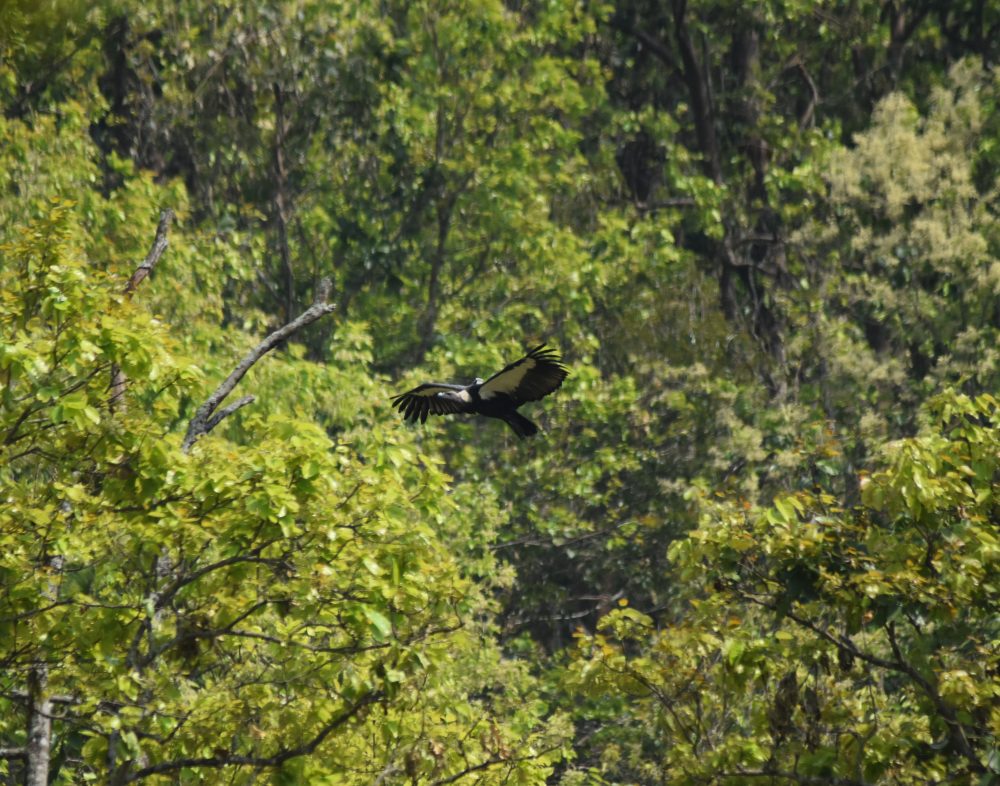
One of the released White-Rumped Vultures Six White-rumped Vultures were released on 19 March as a pilot by the Assam State Forest Department at the Vulture Reintroduction Aviary, Rani Range, near Guwahati, Kamrup District in Assam, NE India. The Critically Endangered birds have all been tagged with GPS / satellite transmitters for intensive monitoring. Four…
Read MoreVulture autopsy protocol now available
We are pleased to provide a detailed protocol and recording form for vulture mortality cases. By providing this information we hope more pathological information will be collected, and we encourage sharing of such information to build understanding on vulture mortality causes. SAVE is grateful to Mr Simon Spiro of the Zoological Society of London, for…
Read MoreUndercover surveys of pharmacies highlight sale of vulture-toxic drugs across much of South Asia
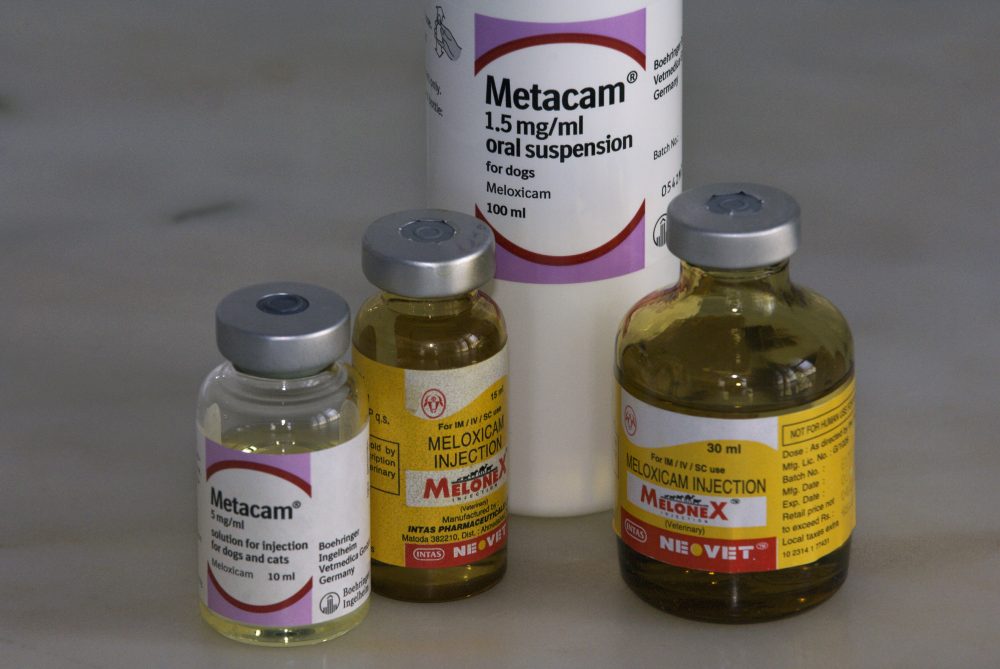
Undercover surveys of pharmacies across India, Nepal, Bangladesh and Pakistan, carried out by local conservation teams, including many SAVE partners supported by the RSPB, have shown that despite nationwide bans, toxic veterinary drugs responsible for catastrophic vulture declines were still available for purchase in some regions. Additionally, other drugs known, or suspected to be, toxic…
Read More